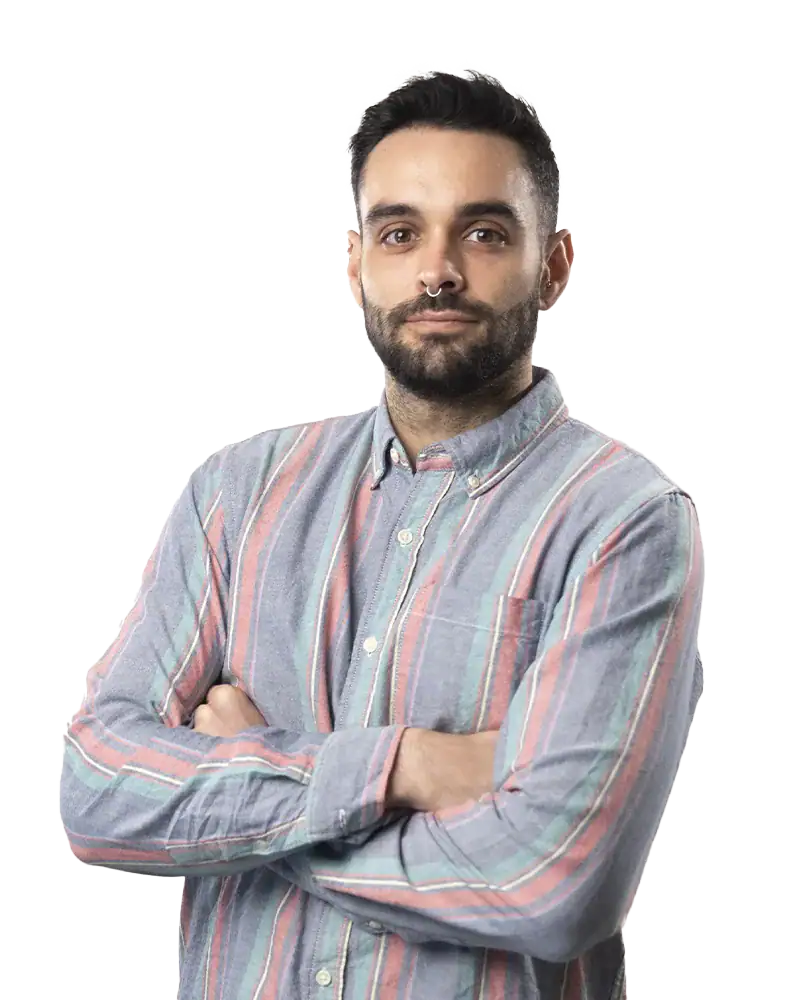
Claudia Issa sees diversity, or the lack of it, as the turning point for teams in companies. She is not alone; several studies that she cites throughout this interview support the idea that diverse teams in terms of gender, age, nationalities, etc. are geared for success. They achieve higher productivity, better decisions, greater innovation capacity and better financial results. However, in a world marked by unconscious biases, it is difficult to promote this scenario if change does not come from within companies. It is worth noting that the benefits of inclusion do not only occur in companies, but that people in general achieve greater satisfaction.
Claudia’s work usually arises from requests for corporate training on gender issues, either for the implementation of the company’s Equality Plan or because the organization realizes that its teams need women who understand that almost 50% of the population and potential clients. Claudia also works on the rapprochement of positions between multicultural teams among other tasks, such as increasing the confidence and psychological security of the teams or managing unconscious biases, a point that gave a lot to talk about in this Nal3Talks.
“No one wants to think we are bad people.”
Our upbringing or the culture and values we are raised with determine the way we express ourselves and act, and sometimes that can translate into microaggressions or the application of unconscious biases towards others based on race, gender, sexual orientation…. Justifying the impact of these words or actions through our intention in them is not the way to move towards integration and acceptance of diversity in all its forms in our day-to-day lives. Nor does it mean that we are bad people, but Claudia makes it clear that, in these cases, we need to question that disconnect and re-educate ourselves to put an end to it.
We have to admit that this Nal3Talks has been one of the most difficult to edit. With such an enriching conversation as Claudia’s, our goal was to leave as little content as possible out of the final cut. We hope this chapter serves to reflect on our daily role in acting as a diverse and inclusive society with the honesty of one who knows there is still a long way to go. Feel free to take advantage of Claudia’s learnings and advice in this Nal3Talks to get started.